
Low Carb Crockpot Beef Stew (Hearty, Keto-Friendly Slow Cooker Dinner)
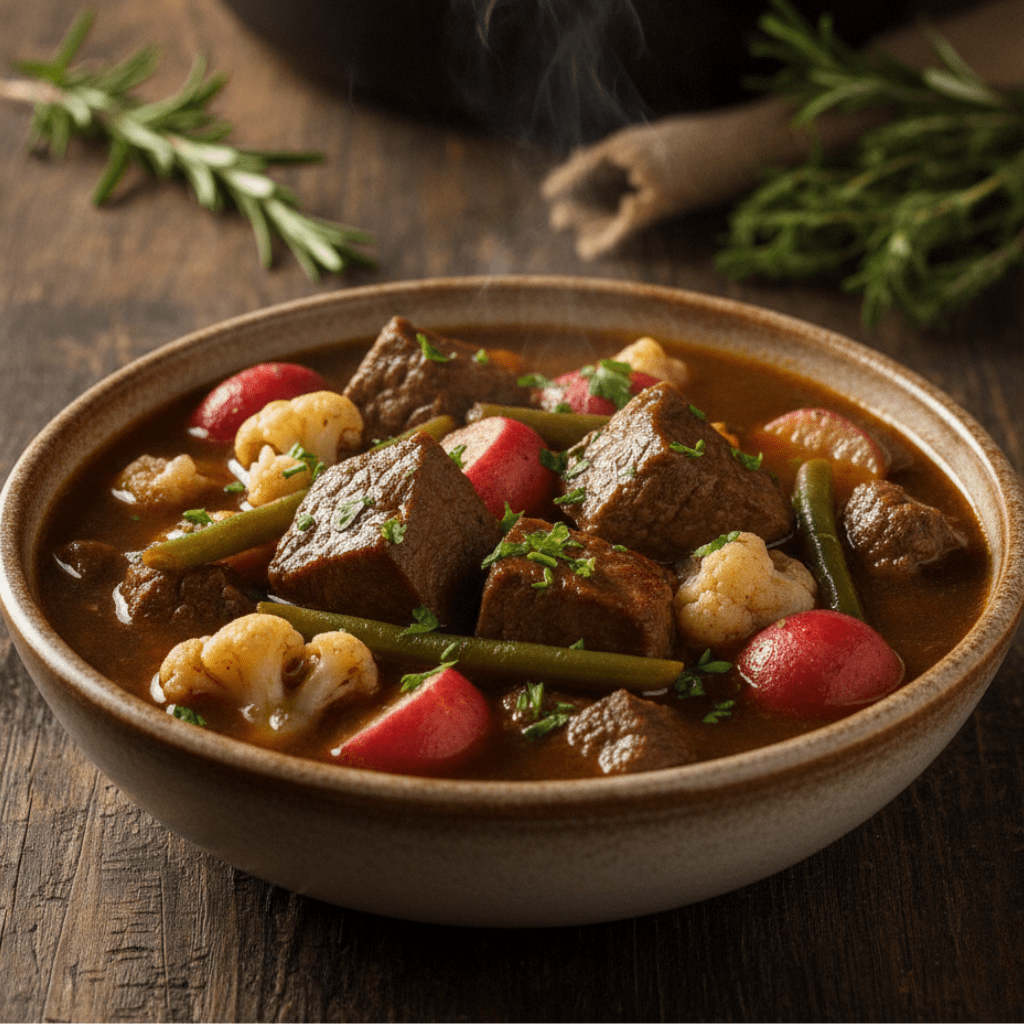
This low carb crockpot beef stew is the kind of deeply satisfying, stick-to-your-ribs dinner that makes you feel genuinely nourished — tender chunks of beef, hearty vegetables, and a rich, velvety broth that’s been developing flavor all day while you lived your life. No potatoes, no flour thickener, no compromise on taste. Just a bowl of pure comfort food that happens to be completely keto-friendly and ready the moment you walk through the door.
Why This Low Carb Beef Stew Is a Game Changer
Traditional beef stew is loaded with potatoes, flour, and sometimes even sugar — ingredients that spike blood sugar and derail low-carb eating goals without adding much in the way of nutrition. This version strips all of that out and replaces it with smart, flavorful alternatives that make the stew taste even better. The result is a bowl of food that’s warming, deeply satisfying, and works beautifully for keto, low-carb, and anti-inflammatory eating patterns.
What makes this recipe a true weeknight game changer is the slow cooker doing all the work. You spend about 10 minutes prepping ingredients in the morning, set everything in the crockpot, and come home to a kitchen that smells like a French country restaurant. The beef chuck becomes so tender it practically melts, and the broth reduces into something deeply savory and almost silky — all without you standing over a stove.
This is also one of those recipes that genuinely improves over time. The flavors develop even further overnight, which makes leftovers something to look forward to rather than reluctantly eat. It’s the kind of recipe you make once, fall in love with, and immediately add to the permanent dinner rotation. Let’s talk about what goes into it.
Ingredients You Need
Every ingredient in this stew is pulling double duty — building flavor and keeping things nutritious. Here’s exactly what you need and why each one matters.
- Beef chuck, cut into 1.5-inch cubes (2 lbs) — Chuck is the ideal cut for slow cooking; its generous fat marbling breaks down over 8 hours into incredibly tender, flavorful meat that holds its shape while becoming fork-soft
- Olive oil (2 tbsp) — For searing the beef before it goes into the crockpot; this step is optional but adds tremendous depth of flavor through the Maillard reaction
- Beef broth (2½ cups, low-sodium) — The liquid base of the stew; use a quality broth for the best results — it’s the foundation everything else is built on
- Tomato paste (2 tbsp) — Adds concentrated umami richness and a slight acidity that balances the fat in the beef; it also gives the broth its gorgeous deep color
- Garlic (5 cloves, minced) — Fresh garlic slowly infuses the broth over hours of slow cooking, becoming mellow and deeply savory rather than sharp
- Yellow onion (1 medium, roughly chopped) — Softens completely in the slow cooker and dissolves into the broth, adding natural sweetness and body
- Turnips (2 medium, cubed) — The low-carb potato substitute; they absorb the broth beautifully, hold their shape well, and have a mild, slightly peppery flavor that works perfectly in stew
- Celery root / celeriac (1 cup, cubed) — Earthy, slightly nutty, and tender after long cooking; one of the best low-carb root vegetables for adding substance to stews
- Carrots (2 medium, sliced) — Higher in carbs than the other vegetables but used in moderate amounts for sweetness and color; omit if you’re keeping carbs very strict
- Celery (3 stalks, sliced) — Adds aromatic depth and a subtle savory note that enhances the overall broth flavor
- Fresh rosemary (2 sprigs) — Woody and fragrant; rosemary is a natural pairing with beef and infuses the broth with an earthy, herbal note over slow cooking
- Fresh thyme (4 sprigs) — Pairs perfectly with rosemary and adds another layer of herbal complexity
- Worcestershire sauce (1 tbsp) — Deepens the umami profile and adds a barely perceptible tang that makes the broth taste more complex
- Smoked paprika (1 tsp) — Adds a subtle smokiness that gives the stew a slow-cooked depth even in the first few hours
- Salt and black pepper (to taste) — Season at the end once everything has cooked down and the broth has concentrated
- Fresh parsley (for garnish) — Adds brightness and freshness to the finished bowl
How to Make Low Carb Crockpot Beef Stew
The process is straightforward and beginner-friendly. The optional searing step takes an extra 10 minutes but delivers a noticeably richer, more restaurant-quality result.
- Pat the beef cubes completely dry with paper towels. Dry meat sears; wet meat steams — this step matters.
- Heat olive oil in a large skillet over high heat until shimmering. Working in batches, sear the beef cubes for 2 minutes per side until a deep brown crust forms. Don’t overcrowd the pan. Set seared beef aside.
- Deglaze the skillet with a splash of beef broth, scraping up all the browned bits from the bottom. Pour this liquid into the crockpot — those bits are pure concentrated flavor.
- Add the chopped onion, celery, garlic, turnips, celery root, and carrots to the bottom of the slow cooker.
- Place the seared beef on top of the vegetables.
- Whisk together the beef broth, tomato paste, Worcestershire sauce, and smoked paprika in a bowl or measuring jug. Pour evenly over the beef and vegetables.
- Tuck the rosemary and thyme sprigs into the stew, nestling them alongside the beef.
- Place the lid on the crockpot and cook on LOW for 8 hours. Do not lift the lid during cooking.
- Remove the rosemary and thyme sprigs — the leaves will have fallen into the stew, which is fine; just remove the woody stems.
- Taste the broth and season generously with salt and black pepper. The broth will have concentrated during cooking, so taste before adding salt.
- For a thicker broth, mix 1 tablespoon of almond flour or a small amount of glucomannan powder with 2 tablespoons of cold water and stir it into the hot stew. Let it sit on WARM for 15 minutes to thicken.
- Serve in deep bowls garnished with fresh parsley.
Which Vegetables Keep It Low Carb
Choosing the right vegetables is what separates a genuinely low-carb stew from one that just removed the bun. Traditional beef stew relies heavily on potatoes — a high-glycemic, high-carb vegetable that spikes blood sugar significantly. This recipe swaps them out completely for smarter alternatives that bring just as much satisfaction.
Turnips are the star low-carb swap here. They have a similar texture to potatoes when slow-cooked — tender, substantial, and excellent at absorbing the surrounding broth. Their flavor is mild with a subtle peppery edge that actually complements beef beautifully. At roughly 6g net carbs per cup versus a potato’s 26g, the difference is enormous.
Celery root (celeriac) is another underutilized gem in low-carb cooking. It has an earthy, slightly nutty flavor and becomes wonderfully tender in the slow cooker while holding its shape far better than some softer vegetables. It also adds a richness to the broth that makes it feel more substantial and complex.
Other excellent low-carb vegetables to consider adding or swapping in include mushrooms (deeply savory and meaty), green beans, cauliflower florets, and zucchini — though zucchini should be added only in the last hour of cooking to prevent it from becoming mushy. Vegetables to avoid if you’re keeping carbs strict include parsnips, sweet potatoes, and regular potatoes.
Tips for Rich, Deep Flavor
A slow cooker does amazing things, but a few deliberate choices push this low carb beef stew from good to genuinely exceptional.
- Sear the beef — don’t skip it. This is the single biggest flavor upgrade you can make. The Maillard reaction creates hundreds of new flavor compounds on the surface of the meat that slow cooking alone simply cannot replicate. Ten extra minutes in the morning makes the stew taste like it came from a real restaurant kitchen.
- Deglaze the searing pan. All those dark, sticky bits left in the skillet after searing are concentrated flavor. A splash of broth loosens them instantly — pour every drop into the crockpot.
- Use tomato paste, not diced tomatoes. Tomato paste is concentrated and adds body, richness, and color without watering down the broth. Diced tomatoes add too much liquid and can make the stew taste thin and acidic.
- Cook on LOW, not HIGH. Eight hours on low versus four hours on high produces a noticeably more tender, more flavorful result. The lower, gentler heat gives the collagen in the beef chuck time to fully break down into gelatin, which is what makes the broth feel silky and rich rather than watery.
- Season at the end, not the beginning. As the stew cooks, the broth reduces and concentrates. If you salt heavily at the start, the finished stew can be too salty. Taste and season after the cook is complete for perfect results every time.
- Add fresh herbs at the end for brightness. The rosemary and thyme cook in all day for depth, but a handful of fresh chopped parsley stirred in right before serving adds a bright, fresh contrast that lifts the whole bowl.
Is This Recipe PCOS-Friendly?
Yes — and genuinely so, not just as a checkbox label. This low carb crockpot beef stew aligns beautifully with a PCOS-supportive eating pattern in several meaningful ways, and it’s worth understanding why.
Polycystic ovary syndrome (PCOS) is closely linked to insulin resistance, which means managing blood sugar levels through diet is one of the most impactful lifestyle interventions available. By removing high-glycemic ingredients like potatoes and flour-based thickeners and replacing them with low-carb vegetables and whole-food ingredients, this stew helps keep blood sugar stable rather than causing the spikes and crashes that can worsen PCOS symptoms.
The beef chuck itself is an excellent source of zinc, iron, and B vitamins — all nutrients that are commonly depleted in women with PCOS and play important roles in hormone regulation and energy metabolism. The olive oil, garlic, rosemary, and thyme also bring genuine anti-inflammatory benefits, helping to address the chronic low-grade inflammation that often accompanies PCOS. This is the kind of recipe where eating for your health and eating something absolutely delicious are the exact same thing — and that’s a rare, beautiful overlap worth celebrating.
How to Store and Freeze
This stew is one of the best batch-cooking recipes you’ll find. It stores beautifully and, if anything, tastes better after a day in the fridge.
Refrigerator: Store cooled stew in an airtight container for up to 4 days. The broth continues to deepen in flavor overnight as the beef and vegetables absorb it further. Store with the broth — it keeps everything moist.
Freezer: This stew freezes exceptionally well. Portion into freezer-safe containers or zip-lock bags (lay bags flat to save space) and freeze for up to 3 months. Note that turnips and celery root may soften slightly after freezing, but the flavor remains excellent. Label with the date and portion size.
Reheating from fridge: Reheat in a saucepan over medium heat for 8–10 minutes, stirring occasionally, until heated through. Add a small splash of beef broth if the stew has thickened too much in the fridge. Microwave option: heat on high for 3 minutes, stirring once halfway through.
Reheating from frozen: Thaw overnight in the refrigerator and reheat as above. From fully frozen, reheat in a covered saucepan over low heat for 20–25 minutes, stirring occasionally. You can also reheat directly from frozen in the microwave at 50% power for 6–8 minutes, stirring every 2 minutes until evenly heated.
Frequently Asked Questions
Can I make this stew without searing the beef first?
Yes, you can skip the searing step and still end up with a delicious stew — the slow cooker will do a lot of flavor-building work on its own. That said, the difference in depth and richness is noticeable. If you have 10 extra minutes in the morning, searing is absolutely worth it. If you’re truly pressed for time, go ahead and skip it — you’ll still have a genuinely great dinner waiting for you.
What can I use instead of turnips?
Radishes are a surprisingly good low-carb potato substitute in stew — they mellow dramatically when slow-cooked and lose their sharp bite entirely, becoming tender and mild. Cauliflower florets work well too, though they soften more than turnips and will partially dissolve into the broth, which actually adds body. Celery root on its own is another great option if you prefer a single root vegetable. Avoid parsnips if keeping carbs strict — they’re closer to potatoes in their glycemic impact.
My stew broth is too thin — how do I fix it?
A few easy options: (1) Remove the lid and cook on HIGH for the final 30 minutes to let steam escape and the broth reduce; (2) Mix 1 tablespoon of almond flour with 2 tablespoons of cold water and stir into the hot stew, letting it sit on WARM for 15 minutes; (3) Use a small amount of glucomannan powder (start with ¼ teaspoon stirred into cold water first) — it’s a keto-friendly thickener that works quickly and doesn’t add any flavor or carbs.
Can I use a different cut of beef?
Chuck is the ideal cut for slow cooking because of its fat content and connective tissue, which both break down beautifully over long, low heat. Beef brisket is an excellent alternative with similar properties. Stew meat sold pre-cut at grocery stores is usually chuck and works perfectly. Avoid lean cuts like round or sirloin — they don’t have enough fat or collagen to become tender in the slow cooker and tend to turn dry and stringy after 8 hours.
How do I adapt this for an Instant Pot?
Use the SAUTÉ function to sear the beef and deglaze the pot first. Add all ingredients, seal the lid, and cook on HIGH PRESSURE for 35 minutes, followed by a natural pressure release of 15 minutes. The result is very close to the slow-cooked version — slightly less melting-tender but still excellent when you need dinner in under an hour. This method is perfect for days when you forgot to start the crockpot in the morning.

- Times
- Description
- Image
- Ingredients
- Method
- Notes
- Nutrition
- Prep time: 10 minutes
- Cook time: 8 hours
- Total time: 8 hours 10 minutes
- Serves: 6
Ingredients
- 2 lbs beef chuck, cut into 1.5-inch cubes
- 2 tbsp olive oil (for searing)
- 2½ cups low-sodium beef broth
- 2 tbsp tomato paste
- 1 tbsp Worcestershire sauce
- 1 tsp smoked paprika
- 5 garlic cloves, minced
- 1 medium yellow onion, roughly chopped
- 3 celery stalks, sliced
- 2 medium turnips, peeled and cubed
- 1 cup celery root (celeriac), peeled and cubed
- 2 medium carrots, sliced
- 2 fresh rosemary sprigs
- 4 fresh thyme sprigs
- Salt and black pepper, to taste
- Fresh parsley, for garnish
Method
- 1)
Pat beef cubes dry with paper towels.
Heat olive oil in a skillet over high heat. Sear beef in batches, 2 minutes per side, until browned. Set aside.
Deglaze the skillet with a splash of broth and pour into the crockpot.
Add onion, celery, garlic, turnips, celery root, and carrots to the crockpot.
Place seared beef on top of the vegetables.
Whisk broth, tomato paste, Worcestershire sauce, and smoked paprika together; pour over everything.
Tuck rosemary and thyme sprigs into the stew.
Cook on LOW for 8 hours. Do not lift the lid during cooking.
Remove herb stems. Taste and season with salt and pepper.
For a thicker broth, stir in almond flour slurry and let sit on WARM for 15 minutes.
Serve in bowls garnished with fresh parsley.
Notes
Searing the beef is optional but strongly recommended — it adds a depth of flavor slow cooking alone cannot replicate.
Always season after cooking, not before, as the broth concentrates significantly over 8 hours.
Leftovers taste even better the next day — store in the fridge for up to 4 days or freeze for up to 3 months.
Nutrition Estimate (per serving, based on 6 servings)
| Nutrient | Amount |
|---|---|
| Calories | ~380 kcal |
| Protein | ~34g |
| Fat | ~22g |
| Carbohydrates | ~11g |
| Fiber | ~3g |
| Net Carbs | ~8g |
Nutrition is an estimate. Omitting carrots reduces net carbs to approximately 5–6g per serving.