
Easy Shrimp Fried Rice (Better Than Takeout — Ready in 20 Minutes)
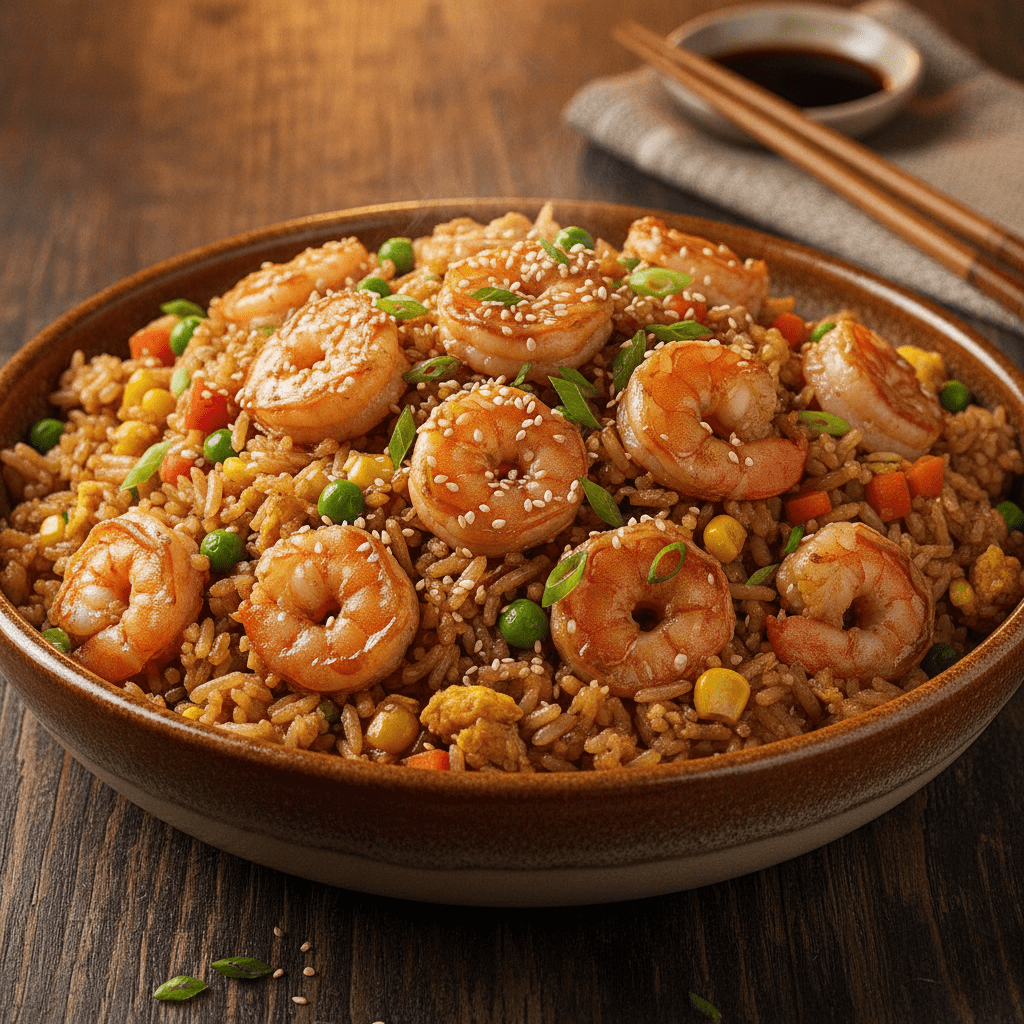
This easy shrimp fried rice is the one recipe that will make you cancel your takeout order for good — juicy, perfectly seasoned shrimp tossed with fluffy egg-coated rice, crisp vegetables, and a bold garlic ginger sauce, all done in a single wok in 20 minutes flat. It’s faster than delivery, costs a fraction of the price, and tastes so much better that you’ll genuinely wonder why you ever ordered out. Whether you’re using up leftover rice from last night or cooking fresh, this recipe comes together effortlessly and delivers every time.
Why This Shrimp Fried Rice Beats Takeout Every Time
Restaurant and takeout fried rice has two common problems: it’s often greasy, and the flavors are flat and one-dimensional. When you make shrimp fried rice at home, you control the oil, the salt, the quality of the shrimp, and every layer of flavor that goes into the pan. The result is a cleaner, more vibrant dish with actual texture — crispy rice grains, tender shrimp, soft scrambled eggs — rather than the soggy, clumped-together version that shows up in a container.
The technique in this recipe is what restaurant chefs use and home cooks rarely know about: cook everything separately, then combine at the very end. Shrimp first, then eggs, then rice, then everything back together with the sauce. This keeps every component perfectly cooked rather than turning everything into a mushy pile. It’s a small shift in approach that makes an enormous difference in the final dish.
This recipe is also incredibly flexible. No peas? Use corn. No fresh shrimp? Frozen works beautifully. Have extra vegetables in the fridge? Throw them in. The core technique stays the same regardless of what you’re working with, which makes this one of the most useful weeknight recipes you can have in your repertoire. Let’s get into exactly what you need.
Ingredients You Need
Every ingredient here is a workhorse. Nothing is fussy, everything is available at any grocery store, and most of it is probably already in your kitchen.
For the shrimp:
- Large shrimp, peeled and deveined (1 lb) — The star of the dish; large shrimp stay juicy and tender with just 2 minutes of cooking — don’t overcook them or they turn rubbery
- Soy sauce (1 tbsp) — Used to season the shrimp before cooking; adds instant savory depth to every bite
- Garlic powder (½ tsp) — Seasons the shrimp directly for layered flavor throughout
- White or black pepper (¼ tsp) — Adds gentle heat; white pepper is more traditional and slightly more floral
- Cornstarch (1 tsp, optional) — Gives the shrimp a light, silky coating that helps them stay moist and pick up sauce beautifully
For the fried rice:
- Day-old cooked white rice (4 cups) — Cold, day-old rice is the single most important ingredient for great fried rice; freshly cooked rice is too moist and steams rather than fries, resulting in clumps
- Eggs (3 large) — Scrambled separately and folded in; they add richness, protein, and that classic fried rice texture
- Avocado oil or vegetable oil (3 tbsp, divided) — High smoke point oil for getting your wok or skillet properly hot; don’t use olive oil here
- Yellow onion (½, finely diced) — Sweetens as it cooks and adds aromatic depth to the rice base
- Garlic (4 cloves, minced) — Fresh garlic bloomed in hot oil is one of the key flavor pillars of great fried rice
- Fresh ginger (1 tsp, grated) — Adds brightness and warmth that distinguishes homemade fried rice from the flat, one-note takeout version
- Frozen peas and carrots (1 cup) — Classic fried rice vegetables that add color, sweetness, and a little texture; no need to thaw
- Green onions (3 stalks, sliced, whites and greens separated) — Whites go in during cooking, greens go on top as garnish for freshness
For the sauce:
- Soy sauce (3 tbsp) — The savory backbone of the entire dish; low-sodium works well if you’re watching salt
- Oyster sauce (2 tbsp) — Thick, slightly sweet, deeply umami — this is the ingredient that makes homemade fried rice taste like restaurant fried rice
- Sesame oil (1 tbsp) — Drizzled in at the very end, not for cooking; its toasted, nutty aroma is the finishing note that ties everything together
- Dark soy sauce (1 tsp, optional) — Adds a rich, slightly caramelized color and deeper flavor; a small amount goes a long way
How to Make Shrimp Fried Rice Step by Step
Speed and organization are everything here. Have every ingredient prepped and within arm’s reach before the wok goes on — once you start cooking, things move fast.
- Toss the shrimp with soy sauce, garlic powder, pepper, and optional cornstarch in a bowl. Set aside to marinate for 5 minutes while you prep everything else.
- In a small bowl, whisk together the soy sauce, oyster sauce, and dark soy sauce for the fried rice sauce. Set aside.
- Break up the cold rice with your hands or a fork so every grain is separated. Clumped rice won’t fry — it steams. This step takes 30 seconds and makes a significant difference.
- Heat 1 tablespoon of oil in a wok or large skillet over the highest heat your stove allows. Add the shrimp in a single layer and cook for 60–90 seconds per side until just pink and opaque. Remove immediately and set aside — they will finish cooking when returned to the pan later.
- Reduce heat to medium-low. Add a tiny splash more oil if needed, then crack the eggs directly into the wok and scramble gently until just set — slightly underdone is perfect. Remove and set aside with the shrimp.
- Increase heat back to high. Add another tablespoon of oil, then add the diced onion and white parts of the green onion. Stir fry for 1 minute until softened and fragrant.
- Add the minced garlic and grated ginger. Stir constantly for 30 seconds until golden and intensely aromatic — don’t let it burn.
- Add the frozen peas and carrots. Stir fry for 1–2 minutes until heated through.
- Add the cold rice to the wok. Press it into an even layer against the hot surface and let it sit undisturbed for 1–2 minutes — this is how you get those slightly crispy, golden rice grains that make all the difference. Then toss and stir to combine with the vegetables.
- Pour the sauce mixture around the edges of the wok rather than directly onto the rice — hitting the hot wok surface first creates a quick caramelization that adds incredible flavor. Toss everything together until evenly coated.
- Return the shrimp and scrambled eggs to the wok. Add the green parts of the green onion. Toss everything together for 1 final minute until heated through and evenly combined.
- Remove from heat and drizzle sesame oil over the top. Give one final toss and serve immediately.
Tips for the Best Shrimp Fried Rice
A few non-negotiable habits separate truly great fried rice from just okay fried rice.
- Use day-old cold rice — always. This is the number one rule of fried rice. Fresh rice is too moist and will steam and clump in the pan rather than fry into separate, slightly crispy grains. Cook your rice the night before, spread it on a baking sheet to cool, and refrigerate uncovered overnight. If you’re in a pinch, spread freshly cooked rice on a sheet pan and freeze for 20–30 minutes to dry it out quickly.
- Cook everything separately, then combine. The shrimp, eggs, and rice each need their own moment in the hot pan. Adding everything at once drops the temperature, creates steam, and turns your fried rice into a mushy pile. Cook in stages, set each component aside, and combine at the end — this is the restaurant method and it works.
- Your pan must be screaming hot. Fried rice demands high heat. A wok is ideal because it holds and distributes heat better than most pans, but a large stainless steel or cast iron skillet works well too. If the pan isn’t visibly smoking before the rice goes in, it’s not hot enough.
- Don’t overcook the shrimp. Shrimp cook in literally 2–3 minutes total and continue to cook from residual heat after leaving the pan. Pull them the moment they turn pink and curl into a loose C shape. An overcooked shrimp curls into a tight O and becomes rubbery — that’s the visual cue you’ve gone too far.
- Add sesame oil at the end, never for cooking. Sesame oil has a low smoke point and its delicate, toasted aroma burns away instantly if it hits high heat. It’s a finishing oil — drizzle it over the finished dish right before serving for maximum fragrance and flavor.
- Season in layers. The shrimp gets its own seasoning, the rice gets the sauce, and a final taste and adjustment happens right before serving. Building flavor at every stage rather than dumping sauce in at the end is what makes the difference between flat-tasting fried rice and something genuinely complex.
Low-Carb Variations
Classic shrimp fried rice is made with white rice, which is high in carbohydrates — but these swaps deliver all the same bold flavors with a fraction of the carbs.
- Cauliflower Shrimp Fried Rice: Replace the white rice entirely with cauliflower rice — either store-bought frozen or homemade by pulsing cauliflower florets in a food processor. It absorbs the sauce beautifully and the texture is surprisingly similar to real fried rice. Add the cauliflower rice to the hot pan and cook for 3–4 minutes until slightly golden before adding the sauce.
- Egg White Shrimp Fried Rice: For an ultra-lean, high-protein version, use 5 egg whites instead of whole eggs and cauliflower rice instead of white rice. It’s a clean, macro-friendly meal that’s genuinely satisfying and still packed with flavor.
- Shrimp Fried Rice Lettuce Cups: Make the full recipe (with cauliflower rice or white rice) and serve it spooned into large butter lettuce or romaine cups instead of a bowl. It turns dinner into a fun, interactive meal and keeps total carbs significantly lower.
- Zucchini Noodle Shrimp Fried “Rice”: Swap the rice for spiralized zucchini noodles, roughly chopped into shorter pieces. Stir fry them on high heat for just 2 minutes — they cook much faster than rice and should still have some bite. The sauce and shrimp carry the flavor completely.
What to Serve With Shrimp Fried Rice
This dish is a complete meal on its own, but these sides round it out beautifully for a fuller spread.
- Egg drop soup — Silky, light, and incredibly easy to make; a small bowl alongside the fried rice makes the whole meal feel like a proper restaurant experience.
- Steamed dumplings or potstickers — Pan-fried frozen dumplings take 8 minutes and pair naturally with fried rice for a takeout-style feast at home.
- Simple cucumber salad with rice vinegar and sesame — Cool, crisp, and slightly tangy; it cuts through the rich, savory fried rice and cleanses the palate between bites.
- Stir fried bok choy with garlic — Quick, nutritious, and a natural flavor pairing with the garlic ginger profile of the fried rice.
- Spring rolls (baked or fried) — Crispy, light, and perfect for scooping up extra sauce; a crowd-pleasing addition that makes the meal feel abundant.
How to Store and Reheat
Shrimp fried rice stores and reheats beautifully, making it one of the best lunch prep recipes in your collection.
Refrigerator: Store cooled shrimp fried rice in an airtight container for up to 3 days. The flavors meld even further overnight and it’s genuinely excellent the next day.
Freezer: Fried rice freezes well for up to 1 month. Portion into individual freezer-safe containers for grab-and-go lunches. Note that the shrimp texture softens slightly after freezing — still delicious, just slightly less firm.
Reheating from fridge: The best method is a hot skillet — add the rice with a tiny splash of water or soy sauce and stir fry over medium-high heat for 3–4 minutes until heated through and the rice crisps up again. Microwave option: cover loosely and microwave on high for 2–3 minutes, stirring once halfway through.
Reheating from frozen: Thaw overnight in the refrigerator and reheat in a skillet as above. From fully frozen, microwave at 50% power for 4–5 minutes, stirring every 90 seconds, then finish in a hot skillet for 1–2 minutes to restore some texture.
Frequently Asked Questions
Why is my fried rice always mushy and clumped together?
Almost always, the culprit is freshly cooked rice. Fresh rice is too moist and releases steam in the pan instead of frying. The fix is simple: always use cold, day-old rice that’s been refrigerated overnight. The refrigerator dries out the surface of each grain so it fries rather than steams. If you don’t have day-old rice, spread freshly cooked rice in a thin layer on a baking sheet and freeze for 20–30 minutes — it works almost as well.
Can I use frozen shrimp?
Absolutely — frozen shrimp is what most people use for this recipe and it works perfectly. Thaw it overnight in the fridge or quickly by placing it in a bowl of cold water for 15–20 minutes. The most important step is to pat the thawed shrimp completely dry before cooking — excess moisture causes steaming rather than searing and makes the rice wet.
What’s the difference between soy sauce and oyster sauce in fried rice?
Soy sauce is thinner, saltier, and more sharply savory — it seasons and adds color throughout the dish. Oyster sauce is thicker, slightly sweet, and has a deeper, more complex umami flavor. Together they create a layered, multi-dimensional sauce that tastes far more complex than either one alone. If you don’t have oyster sauce, hoisin sauce is the best substitute — it has a similar consistency and sweetness.
Can I make this recipe without a wok?
Yes. A large stainless steel skillet or cast iron pan works well — the key is surface area and high heat. Use the largest pan you have, heat it thoroughly before anything goes in, and cook in batches if needed rather than crowding the pan. The slightly curved sides of a wok make tossing easier, but it’s not essential equipment for a great result.
How do I keep the shrimp from getting rubbery?
Two things: don’t overcook them and don’t leave them in the pan. Shrimp are done the moment they turn pink and form a loose C-shape — about 60–90 seconds per side. Pull them out immediately and set aside. They’ll finish warming through when returned to the pan at the very end for just 1 minute. Rubbery shrimp is almost always a timing issue — when in doubt, pull them earlier rather than later.
- Times
- Description
- Image
- Ingredients
- Method
- Notes
- Nutrition
- Prep time: 5 minutes
- Cook time: 15 minutes
- Total time: 20 minutes
- Serves: 4
Ingredients
Shrimp:
- 1 lb large shrimp, peeled and deveined
- 1 tbsp soy sauce
- ½ tsp garlic powder
- ¼ tsp white or black pepper
- 1 tsp cornstarch (optional)
Fried Rice:
- 4 cups day-old cooked white rice, cold
- 3 large eggs
- 3 tbsp avocado or vegetable oil, divided
- ½ yellow onion, finely diced
- 4 garlic cloves, minced
- 1 tsp fresh ginger, grated
- 1 cup frozen peas and carrots
- 3 green onion stalks, whites and greens separated
Sauce:
- 3 tbsp soy sauce
- 2 tbsp oyster sauce
- 1 tsp dark soy sauce (optional)
- 1 tbsp sesame oil (for finishing)
Method
- 1)
Toss shrimp with soy sauce, garlic powder, pepper, and cornstarch. Set aside 5 minutes.
Whisk together sauce ingredients (except sesame oil) in a small bowl. Set aside.
Break up cold rice with hands or fork until every grain is separated.
Heat 1 tbsp oil in wok over high heat. Sear shrimp 60–90 seconds per side until just pink. Remove and set aside.
Reduce heat to medium-low. Add splash of oil. Scramble eggs until just set. Remove and set aside.
Increase to high heat. Add 1 tbsp oil, diced onion, and green onion whites. Stir fry 1 minute.
Add garlic and ginger. Stir constantly 30 seconds until fragrant.
Add frozen peas and carrots. Stir fry 1–2 minutes.
Add cold rice. Press into pan and let sit 1–2 minutes undisturbed for crispy bits. Toss to combine.
Pour sauce around edges of the wok. Toss everything to coat evenly.
Return shrimp and eggs to the pan. Add green onion greens. Toss 1 minute until heated through.
Remove from heat. Drizzle sesame oil over top. Toss and serve immediately.
Notes
Day-old cold rice is non-negotiable for the best texture — fresh rice will steam and clump rather than fry.
Cook shrimp, eggs, and rice separately before combining — this is the single most important technique for restaurant-quality fried rice.
Drizzle sesame oil after cooking, never during — its delicate aroma burns at high heat and should be a finishing touch only.
Nutrition Estimate (per serving, based on 4 servings)
| Nutrient | Amount |
|---|---|
| Calories | ~420 kcal |
| Protein | ~32g |
| Fat | ~14g |
| Carbohydrates | ~42g |
| Fiber | ~3g |
| Net Carbs | ~39g |
Use cauliflower rice instead of white rice to reduce net carbs to approximately 8–10g per serving.