
Easy Weeknight Steak Stir Fry (Low Carb + Ready in 20 Minutes)
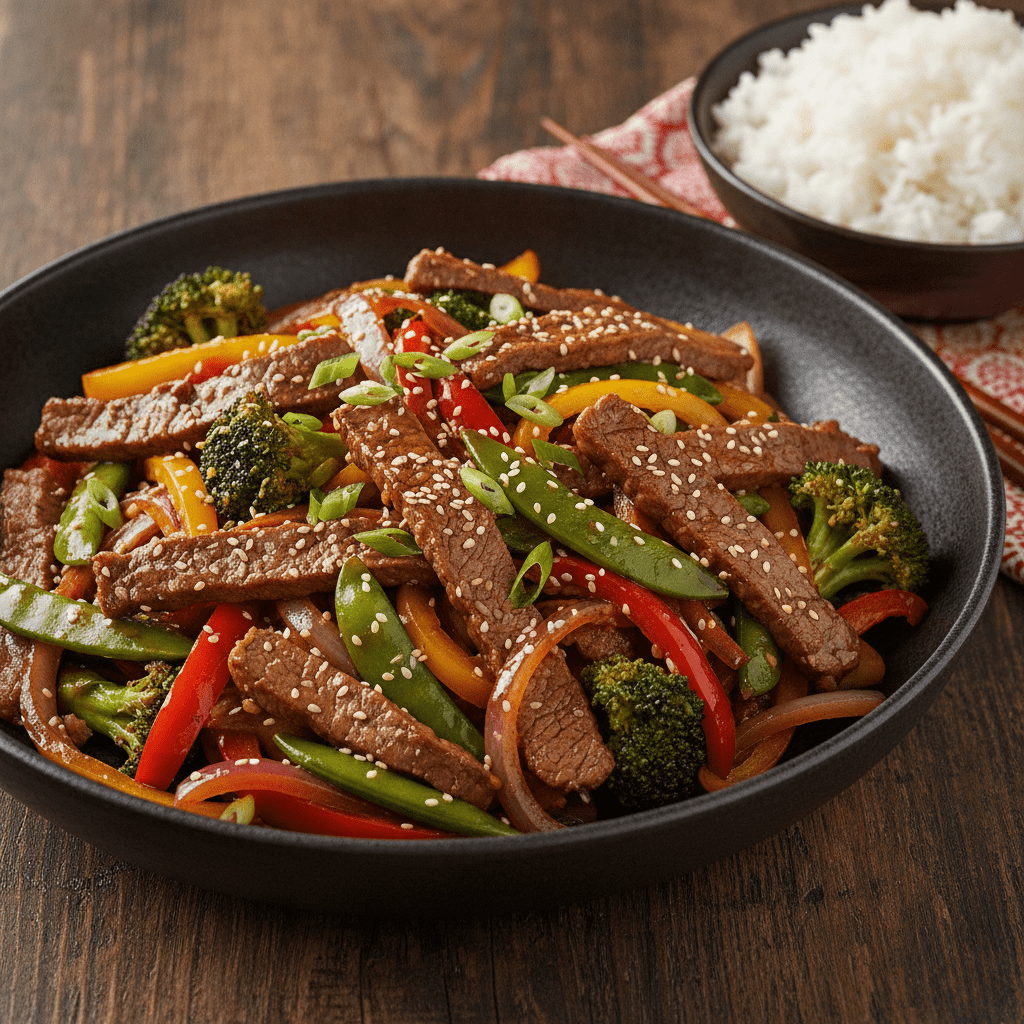
This easy weeknight steak stir fry is the kind of dinner that makes you feel like a total kitchen genius — tender sliced steak, crisp colorful vegetables, and a bold garlic ginger sauce that comes together in just 20 minutes. It’s faster than takeout, way more satisfying, and completely low-carb without sacrificing an ounce of flavor. Once this recipe is in your weekly rotation, you’ll wonder how you ever survived busy nights without it.
Why This Is the Best Weeknight Steak Dinner
When life gets hectic, dinner still has to happen — and this steak stir fry is built exactly for those nights. Everything cooks in a single wok or skillet, the prep is minimal, and the payoff is enormous. We’re talking deeply savory, umami-rich steak with vegetables that still have a satisfying bite, all coated in a glossy sauce you’ll want to eat with a spoon.
What makes this recipe genuinely stand out from other quick steak dinners is the technique. Stir frying is all about high heat and fast movement — you’re not slowly braising or waiting for an oven to do the work. The steak hits a screaming-hot pan, sears in under two minutes, and stays incredibly juicy. The whole dish is done before you even have time to second-guess yourself.
It’s also endlessly flexible. Don’t have broccoli? Use snap peas. Out of sirloin? Grab flank steak. The sauce is the backbone, and as long as you have that and a good cut of beef, the rest is completely customizable. Let’s get into exactly what you’ll need.
Ingredients You Need
The ingredient list is short, intentional, and built around big flavor. Quality steak and a bold sauce are all you really need to make this shine.
- Flank steak or sirloin (1 lb, sliced thin against the grain) — Flank steak is the classic stir fry cut; it’s lean, beefy, and becomes incredibly tender when sliced thin and cooked quickly at high heat
- Soy sauce or coconut aminos (3 tbsp) — The savory, umami backbone of the sauce; use coconut aminos for a slightly sweeter, lower-sodium, fully paleo-friendly option
- Sesame oil (1 tbsp) — Adds a distinctive nutty, toasty depth that’s essential to stir fry flavor
- Garlic (4 cloves, minced) — Fresh garlic blooms beautifully in a hot wok and gives the sauce an aromatic punch
- Fresh ginger (1 tsp, grated) — Adds brightness and a gentle warmth that cuts through the richness of the steak
- Rice vinegar (1 tbsp) — Balances the soy sauce with a touch of acidity; apple cider vinegar works as a substitute
- Chili garlic sauce or sriracha (1 tsp) — Optional but highly recommended for a gentle heat that keeps things interesting
- Avocado oil or vegetable oil (2 tbsp) — High smoke point oil for getting your pan hot enough to properly sear the steak
- Broccoli florets (1½ cups) — Hearty enough to hold up to high heat and excellent at soaking up the sauce
- Bell pepper (1, sliced) — Adds sweetness, color, and a satisfying crunch
- Snap peas (1 cup) — Bright, fresh, and they stay crisp even after a quick toss in a hot pan
- Green onions (3, sliced) — For both cooking and garnish; adds a mild onion flavor without overpowering
- Sesame seeds (1 tbsp, for garnish) — Add a subtle crunch and visual polish to the finished dish
- Cornstarch (1 tsp, optional) — Mixed into the marinade to help tenderize the steak and thicken the sauce slightly
How to Make Steak Stir Fry Step by Step
Speed and organization are the keys to a great stir fry. Have everything prepped and within arm’s reach before you turn on the heat — once the pan is hot, things move quickly.
- Slice the steak thin — about ¼ inch thick — against the grain. This is the most important prep step. Cutting against the grain shortens the muscle fibers and ensures every bite is tender rather than chewy.
- Make the stir fry sauce by whisking together soy sauce, sesame oil, rice vinegar, minced garlic, grated ginger, and chili sauce in a small bowl. Set aside.
- Toss the sliced steak with 1 tablespoon of the sauce and the optional cornstarch. Let it marinate for 5 minutes while you prep the vegetables. Even a short marinade makes a noticeable difference.
- Heat your wok or large skillet over the highest heat your stove allows. Add the avocado oil and let it shimmer — you want to see a faint wisp of smoke before anything goes in.
- Add the steak in a single layer and let it sear undisturbed for 60–90 seconds. Do not stir yet. Flip and sear the other side for another 60 seconds. The steak should be just barely cooked through — it will finish cooking with the vegetables.
- Remove the steak from the pan and set aside on a plate. This step is crucial: leaving it in the pan while you cook vegetables will overcook it.
- Add a small splash more oil if the pan looks dry, then add the broccoli and bell pepper. Stir fry for 2–3 minutes, tossing frequently, until they begin to soften but still have some bite.
- Add the snap peas and white parts of the green onions. Stir fry for another 1 minute.
- Return the steak to the pan and pour the remaining sauce over everything. Toss well to coat and cook for 1 more minute until everything is glossy and the sauce has thickened slightly.
- Serve immediately, garnished with green onion tops and sesame seeds.
Best Steak Cuts for Stir Fry
Not all steaks are created equal when it comes to stir frying, and choosing the right cut is one of the most impactful decisions you’ll make for this recipe. The good news is that the best stir fry cuts are typically among the more affordable options at the grocery store.
Flank steak is the gold standard for stir fry. It has a pronounced grain that makes slicing against it easy and intuitive, and it becomes beautifully tender with quick high-heat cooking. It’s lean, flavorful, and soaks up marinades exceptionally well.
Sirloin is an excellent alternative — slightly more tender than flank and just as flavorful. It’s a great choice if you want something a little more premium without jumping to ribeye pricing. Skirt steak is another fantastic option with an even beefier, more intense flavor than flank; just make sure to slice it very thin.
Cuts to avoid for stir fry include anything that’s meant for long, slow cooking — chuck, brisket, or round steak won’t become tender with quick high heat. And while ribeye is delicious, its higher fat content doesn’t benefit as much from the stir fry method as leaner cuts do.
Low-Carb Sauce Variations
The base sauce in this recipe is already low-carb, but here are four variations to keep your steak stir fry feeling fresh every time you make it:
- Garlic Butter Stir Fry Sauce: Replace the sesame oil with butter and skip the rice vinegar. Add an extra two garlic cloves and finish with a squeeze of lemon. It’s rich, simple, and absolutely delicious — a more Western spin on the classic stir fry format.
- Spicy Peanut Sauce (Low-Carb Version): Whisk 2 tbsp of natural peanut butter or almond butter into the sauce with an extra teaspoon of chili garlic sauce and a splash of warm water to thin it out. Bold, creamy, and slightly addictive.
- Teriyaki-Style Coconut Aminos Glaze: Use coconut aminos as your base, add a teaspoon of monk fruit sweetener or erythritol, and a dash of fish sauce for depth. It caramelizes beautifully in the hot pan and tastes remarkably close to a classic teriyaki without the sugar spike.
- Ginger Sesame Citrus Sauce: Double the ginger, add a tablespoon of fresh orange zest, and swap rice vinegar for fresh lime juice. The result is bright, zingy, and incredibly refreshing — perfect for warmer months when you want something that feels lighter.
What to Serve It With
Serving this low-carb steak stir fry with the right base makes it a complete, satisfying meal without adding unnecessary carbs.
- Cauliflower rice — The classic low-carb swap that absorbs the stir fry sauce beautifully and makes every bite feel like a full bowl meal.
- Zucchini noodles (zoodles) — Toss warm zoodles right into the stir fry at the last minute and let them soak up the sauce for a noodle-style experience without the carbs.
- Shirataki noodles — Nearly zero-calorie konjac noodles that mimic the texture of lo mein; rinse them well and dry-fry briefly before adding to the pan.
- Steamed bok choy — Simple, tender, and a natural pairing with the garlic ginger sauce; steam a few heads while the stir fry cooks for a zero-effort side.
- Simple cucumber salad — Thin-sliced cucumber tossed with rice vinegar, sesame oil, and a pinch of salt cuts through the richness of the steak with a cool, refreshing crunch.
Meal Prep Tips
This recipe is a meal prepper’s dream — it stores well, reheats quickly, and the components can be prepped days in advance to make weeknight cooking even faster.
Refrigerator: Store the fully cooked stir fry in an airtight container for up to 3 days. The flavors actually deepen overnight as everything marinates together in the sauce.
Freezer: Cooked steak and vegetables freeze well for up to 2 months in a freezer-safe container. The vegetables will soften slightly upon thawing, but the flavor remains excellent. Thaw overnight in the fridge before reheating.
Reheating: Reheat in a hot skillet over medium-high heat for 3–4 minutes, tossing frequently. Add a small splash of water or soy sauce to loosen the sauce if it’s thickened too much in the fridge. You can also microwave on high for 2 minutes, stirring halfway through, though the stovetop method keeps the steak from becoming tough.
Prep-Ahead Strategy: Slice the steak, make the sauce, and chop all vegetables up to 24 hours in advance and store separately in the fridge. On the night you want to eat, the actual cooking time drops to under 10 minutes. It’s one of the fastest weeknight dinner setups you can have ready to go.
Frequently Asked Questions
Why is my stir fry steak tough and chewy?
This usually comes down to two things: cutting with the grain instead of against it, or cooking the steak too long. Always slice perpendicular to the muscle fibers — you should be able to see them running in one direction — and cook the steak on high heat for no more than 2–3 minutes total. Stir fry steak is meant to be quick; the longer it sits in the pan, the tougher it gets.
Can I make this stir fry without soy sauce?
Absolutely. Coconut aminos is the best swap — it has a similar savory, umami flavor with a slightly sweeter, milder profile and significantly less sodium. It’s also soy-free and gluten-free, making it a great option for people with dietary restrictions. Tamari (which is gluten-free) is another excellent 1:1 substitute if you need to avoid gluten but are fine with soy.
How do I keep the vegetables from getting soggy?
Three things help here: (1) make sure your pan is genuinely hot before anything goes in — medium heat will steam rather than sear; (2) don’t overcrowd the pan — cook in batches if necessary; and (3) add the more delicate vegetables (like snap peas) later in the cooking process so they have less time over heat. Crisp-tender vegetables are the goal, not soft ones.
Can I double this recipe for a larger family?
Yes, but cook in batches rather than dumping everything in at once. A crowded wok drops in temperature and causes steaming instead of searing — you’ll end up with gray, watery steak instead of beautifully browned meat. Cook the steak in two batches, set aside, then cook the vegetables and combine everything at the sauce stage.
Is this recipe kid-friendly?
Very much so — just leave out the chili garlic sauce and reduce the ginger to half a teaspoon if your kids are sensitive to bold flavors. The garlic soy sesame base is mild, savory, and genuinely appealing to most palates. Serving it over cauliflower rice makes it look and feel familiar, and most kids love the colorful vegetables when they still have a satisfying crunch.
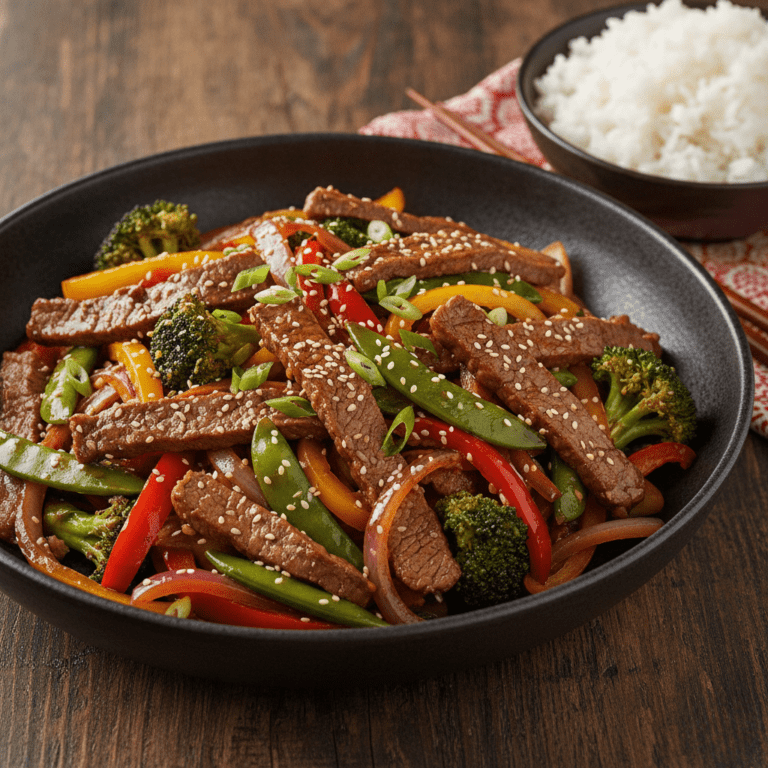
- Times
- Description
- Image
- Ingredients
- Method
- Notes
- Nutrition
- Prep time: 5 minutes
- Cook time: 13 minutes
- Total time: 18 minutes
- Serves: 2-3
Ingredients
For the steak and marinade:
- 1 lb flank steak or sirloin, sliced thin against the grain
- 1 tbsp stir fry sauce (from below)
- 1 tsp cornstarch (optional, for tenderness)
For the stir fry sauce:
- 3 tbsp soy sauce or coconut aminos
- 1 tbsp sesame oil
- 1 tbsp rice vinegar
- 4 garlic cloves, minced
- 1 tsp fresh ginger, grated
- 1 tsp chili garlic sauce or sriracha (optional)
For the stir fry:
- 2 tbsp avocado oil or vegetable oil
- 1½ cups broccoli florets
- 1 bell pepper, sliced
- 3 green onions, sliced (whites and greens separated)
- 1 tbsp sesame seeds, for garnish
Method
- 1)
Slice steak thin against the grain. Toss with 1 tbsp sauce and optional cornstarch. Rest 5 minutes.
Whisk together all sauce ingredients in a small bowl and set aside.
Heat wok or skillet over highest heat. Add oil and let it shimmer.
Add steak in a single layer; sear 60–90 seconds per side. Remove and set aside.
Add broccoli and bell pepper to the pan. Stir fry 2–3 minutes.
Add snap peas and white parts of green onion. Cook 1 minute more.
Return steak to the pan. Pour remaining sauce over everything and toss to coat.
Cook 1 more minute until sauce is glossy and everything is heated through.
Serve immediately topped with green onion greens and sesame seeds.
Notes
Always slice flank steak against the grain — it makes the difference between tender and chewy.
Have all ingredients prepped and within arm’s reach before the pan goes on. Stir frying moves fast.
For meal prep, store cooked stir fry in the fridge for up to 3 days and reheat in a hot skillet with a splash of soy sauce.
Nutrition Estimate (per serving, based on 3 servings)
| Nutrient | Amount |
|---|---|
| Calories | ~390 kcal |
| Protein | ~36g |
| Fat | ~22g |
| Carbohydrates | ~10g |
| Fiber | ~3g |
| Net Carbs | ~7g |
Nutrition is an estimate and will vary based on steak cut and vegetable quantities.